Gallstones can develop when bile is out of balance, resulting in solid particles forming in the gallbladder. While some gallstones are small and harmless, others can grow large enough to block bile ducts, leading to severe pain and possible complications like infections or pancreatitis. Often, symptoms go unnoticed until they become more serious, which is why timely diagnosis is so important.
Dr. K.K. Verma, a valued gall bladder stone specialist, skillfully combines advanced diagnostic techniques with personalized treatment plans to help patients manage gallstones effectively. With a strong focus on patient well-being, he provides both non-invasive and minimally invasive gallbladder stone removal in Jabalpur, ensuring lasting relief and promoting optimal digestive health.
Gallstones are often detected through physical exams, medical history evaluation, and diagnostic tests. Dr. K.K. Verma, an expert in Gallbladder Stone Removal in Jabalpur, uses advanced techniques to ensure an accurate diagnosis.

Initially, I understand your symptoms and medical history and ask a few questions about any pain in the upper abdomen, nausea, or digestive issues that could suggest the presence of gallstones.

Depending upon the severity, I may ask the patient for a physical examination to check for tenderness in the abdomen, which can be a sign of gallbladder issues.

The most common and effective method for detecting gallstones is an abdominal ultrasound. This non-invasive procedure uses sound waves to create detailed gallbladder images to identify stones.

Blood tests are performed to check for signs of infection or inflammation. Increased levels of white blood cells can suggest an infection related to gallstones.

In some cases, if ultrasound results are inconclusive, a CT scan or MRI may be used for more precise and detailed images of the gallbladder and surrounding areas.

For functional evaluation, a HIDA scan (hepatobiliary iminodiacetic acid scan) may be used to assess how well the gallbladder is functioning, which helps to diagnose any underlying conditions like bile duct blockages.
Post-surgical care is just as critical as the procedure itself.
I offer a structured post-operative care program as follows.

It is the gold standard for treating symptomatic gallstones. It is a gallbladder stone surgery that provides quick recovery and minimal scarring and has high success rates in providing long-term relief with minimal risks.

One small incision is used in this surgery, usually at the navel. It is a virtually scarless surgery, which gives less post-operative discomfort and a quicker recovery, and is ideal for patients seeking a fast return to normal life.

This procedure is used when stones block the bile ducts. It combines endoscopy and X-ray to remove bile duct stones, clear obstructions, and prevent complications like infections or jaundice.

In this treatment, surgical precision is combined with robotic technology. This method is ideal for complex cases, offering minimal tissue damage, faster recovery, and better outcomes, especially for high-risk patients.
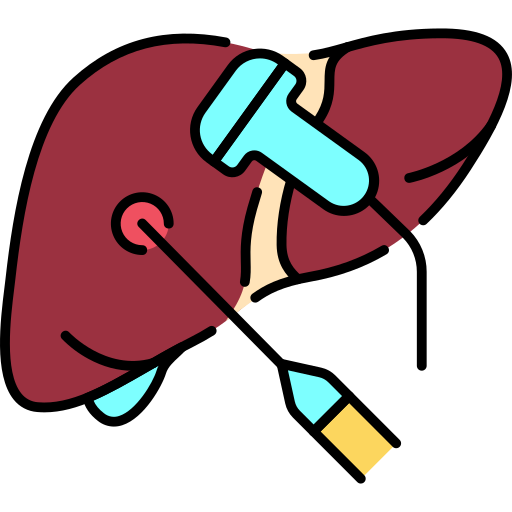
This surgery is performed in rare cases where laparoscopic surgery isn't possible. It provides comprehensive access for treating advanced conditions but requires a longer recovery period.

Sometimes, patients deal with acute gallbladder issues, such as inflammation or infections. It provides rapid relief from intense symptoms like pain and jaundice, preventing severe complications.
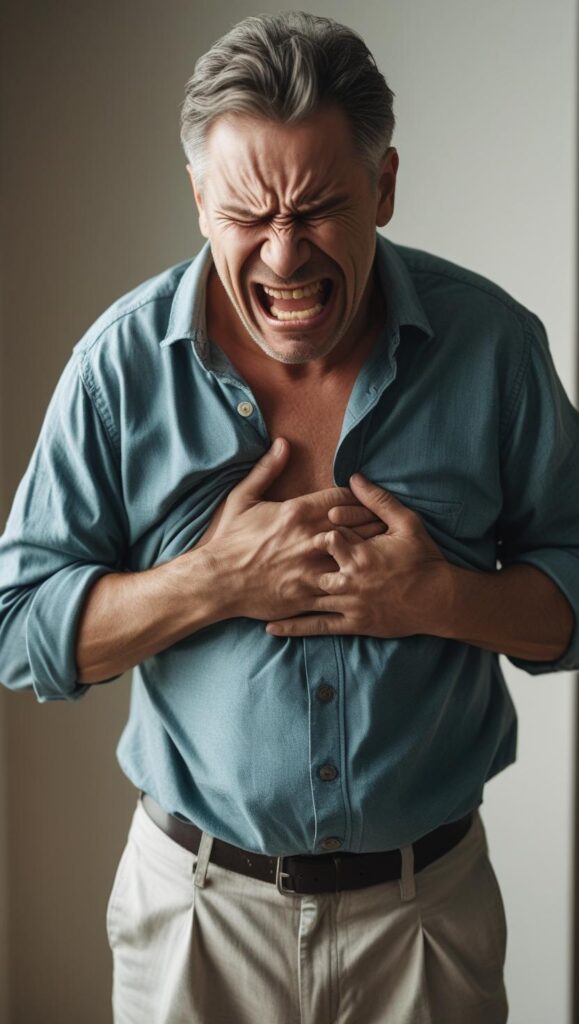
Post-surgery care plays a crucial role in ensuring a smooth and successful recovery in small bowel cancer treatment. I offer a patient-centered approach to ensure that each patient receives personalized care throughout their recovery journey.
Yes, gallstones can sometimes form in the bile ducts, leading to a condition known as choledocholithiasis. This condition may require gallbladder gallstones surgery or procedures like ERCP to remove the stones.
Yes, if a gallstone blocks the bile duct and affects the pancreas, it can lead to pancreatitis. This type of condition can be life-threatening and often requires immediate gallbladder stone treatment.
Pregnancy can raise the risk of developing gallbladder stones due to hormonal changes that affect bile composition. Pregnant women should seek a gallbladder stone specialist for proper management if they experience symptoms..
Yes, gallstones can remain asymptomatic for years. They may only cause issues when they obstruct the bile duct or cause inflammation, often triggering sudden and severe symptoms requiring gallbladder stone surgery.
Yes, it is possible to have gallstones in a normal-sized gallbladder. Not all gallbladder stones cause the gallbladder to enlarge or show noticeable symptoms.
Long-term, untreated gallstones can significantly increase the risk of gallbladder cancer. Regularly monitoring by a gallstones specialist and timely treatment of gallbladder stones can help reduce this risk.
Dr. K.K. Verma is a renowned laparoscopic surgeon known for his precision and patient-centric care. With years of experience and advanced surgical skills, he specializes in minimally invasive procedures that ensure quicker recovery. His dedication to excellence has earned him the trust of countless patients.
shop no 29, 30, stadium ROAD, opposite Satya Ashoka Hotel, Wright Town, Jabalpur, Madhya Pradesh 482002
drkrishan.kant@gmail.com
+91-7835924276
Copyright 2025 SkyFy Digital Media – All Rights Reserved