A hiatus hernia occurs when part of the stomach pushes upward through the diaphragm into the chest cavity. While small hernias may go unnoticed, larger ones can cause severe acid reflux, chest discomfort, or difficulty swallowing.
With a growing number of patients suffering from GERD (gastroesophageal reflux disease), timely diagnosis and appropriate treatment of hiatus hernia are essential.
Dr. K.K. Verma, a highly experienced gastrointestinal and laparoscopic surgeon in Jabalpur, specializes in diagnosing and treating hiatus hernia using both advanced medical therapies and minimally invasive surgical techniques.
Diagnosis of a hiatus hernia involves clinical evaluation and advanced imaging or endoscopic procedures to confirm the hernia type and severity.

A flexible camera is inserted through the mouth to visualize the esophagus, stomach, and diaphragm opening.

A specialized X-ray where the patient swallows a barium solution to highlight the esophagus and stomach on imaging.

Measures pressure in the esophagus to check if the muscles are working properly — often done pre-surgery.

Assesses the level of acid reflux over a day to evaluate severity and impact on the esophagus.
Depending on the type and severity, treatment may be non-surgical (conservative) or surgical.

Lifestyle Changes:
Eat smaller meals
Avoid lying down after eating
Elevate the head while sleeping
Maintain healthy body weight
Dietary Modifications:
Avoid spicy, fried, citrus, caffeine, and alcohol

Surgery is recommended for large hernias, paraesophageal hernias, or patients not responding to medication.
Laparoscopic Hiatal Hernia Repair
A minimally invasive technique to reposition the stomach and reinforce the diaphragm opening.
Often combined with Nissen Fundoplication (wrapping the stomach around the esophagus) to control acid reflux.
Robotic-Assisted Surgery
Offers enhanced precision for complex hernia repairs, especially in recurrent or large hernias.
Faster recovery, smaller incisions, and less post-op discomfort.
Recovery is usually quick with laparoscopic surgery, but long-term care ensures lasting relief and reduced recurrence.

Most patients stay for 1–2 days post-surgery and resume light activity within a week.
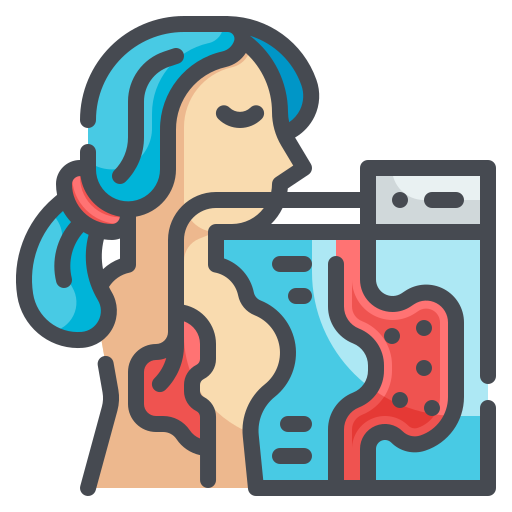
Start with liquids and gradually shift to soft foods Avoid heavy or gas-producing meals in early recovery
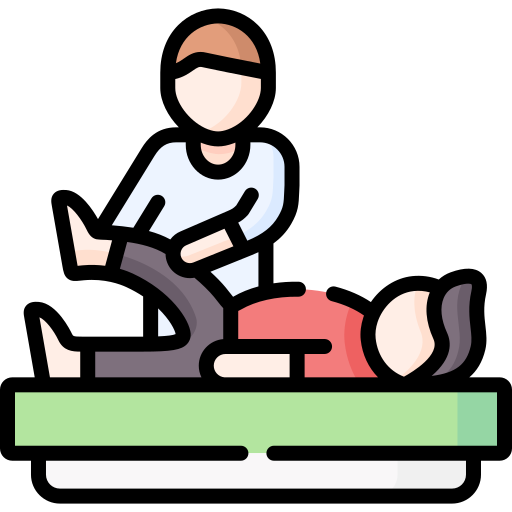
Avoid lifting heavy weights for 4–6 weeks Gentle walking and breathing exercises encouraged

Routine follow-ups are done to monitor healing, manage medications, and ensure reflux symptoms are resolved.
Heartburn, chest pain, acid reflux, difficulty swallowing, regurgitation, and bloating.
No. Many sliding hernias are managed with lifestyle changes and medications. Surgery is advised when symptoms are severe or complications arise.
With proper surgical technique and post-operative care, recurrence is rare but possible. Lifestyle management helps prevent it.
Most patients resume normal activities in 1–2 weeks and experience symptom relief almost immediately.
Yes, but avoid exercises that strain the abdomen. Consult your doctor for a suitable routine.
Dr. K.K. Verma is a renowned laparoscopic surgeon known for his precision and patient-centric care. With years of experience and advanced surgical skills, he specializes in minimally invasive procedures that ensure quicker recovery. His dedication to excellence has earned him the trust of countless patients.
shop no 29, 30, stadium ROAD, opposite Satya Ashoka Hotel, Wright Town, Jabalpur, Madhya Pradesh 482002
drkrishan.kant@gmail.com
+91-7835924276
Copyright 2025 SkyFy Digital Media – All Rights Reserved