ABDOMINAL TRAUMA

Abdominal Trauma Treatment in Jabalpur

Abdominal trauma refers to any injury to the abdomen that may involve the internal organs, blood vessels, muscles, or bones. It can result from blunt force (non-penetrating) or penetrating injuries (like stab or gunshot wounds). Abdominal trauma is a life-threatening emergency and must be managed promptly to prevent internal bleeding, organ damage, or infection.

Dr. K.K. Verma, a highly skilled gastrointestinal and trauma surgeon in Jabalpur, provides comprehensive emergency care, diagnosis, and advanced surgical treatment for all types of abdominal trauma.

Types of Abdominal Trauma

✅Blunt Abdominal Trauma (BAT)

  • Caused by road traffic accidents, falls, sports injuries

  • Can lead to organ rupture, hematomas, internal bleeding, or bowel injuries

Penetrating Abdominal Trauma (PAT)

  • Caused by stab wounds, gunshot injuries, or sharp object penetration

  • High risk of organ perforation, vascular injury, and peritonitis

Common Causes of Abdominal Trauma

  • Road traffic accidents (most common)

  • Falls from height

  • Physical assault

  • Industrial or workplace injury

  • Gunshot or stab wounds

  • Sports injuries

  • Blast injuries

Symptoms of Abdominal Trauma

  • Abdominal pain and tenderness

  • Swelling or distension of the abdomen

  • Visible bruises or wounds

  • Nausea, vomiting, or blood in vomit

  • Difficulty passing urine or stool

  • Signs of internal bleeding (low blood pressure, fast pulse, pale skin)

  • Altered consciousness or restlessness

  • In penetrating trauma, visible organ protrusion may be seen

⚠️ Abdominal trauma can be silent at first but deadly if untreated. Immediate evaluation is crucial.

How Do I Diagnose Abdominal Trauma?

Fast and focused diagnosis is essential for proper intervention.

Initial Trauma Evaluation (ATLS Protocol)

Airway, Breathing, Circulation (ABC) assessed Immediate stabilization of vital signs

Focused Assessment with Sonography for Trauma (FAST)

Bedside ultrasound to detect free fluid or blood in the abdominal cavity

Contrast-Enhanced CT (CECT) Abdomen

Gold standard in stable patients Detects organ injury, bleeding, perforation, and vascular compromise
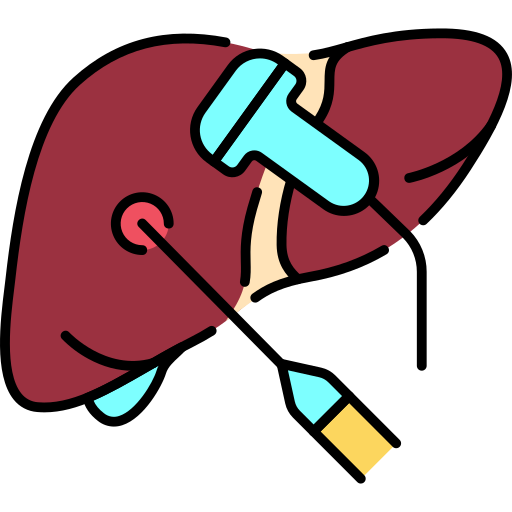
Diagnostic Laparoscopy

Minimally invasive procedure to inspect abdominal organs in select cases

Diagnostic Peritoneal Lavage (DPL)

Performed in unstable patients when ultrasound/CT is inconclusive

Blood Tests

Complete blood count, liver and kidney function tests Coagulation profile, cross-match for transfusion

Treatment Options for Abdominal Trauma

The goal is to stop the leak, treat infection, and stabilize the patient.

Exploratory Laparotomy

Emergency open surgery to explore and treat abdominal injuries Control bleeding, repair organ damage, or remove ruptured tissues

Laparoscopic Trauma Surgery

In stable patients with minimal injury Used for diagnostic purposes, drain placement, or repair of minor organ injuries

Mesenteric Revascularization

Surgical bypass or clot removal from the mesenteric artery Performed in select cases with vascular surgical support

Organ-Specific Procedures

Splenectomy (removal of ruptured spleen) Bowel resection (if intestines are damaged) Repair of liver or kidney injuries Colostomy or ileostomy if bowel injury is severe

Post-Treatment Recovery & Rehabilitation

ICU Monitoring

Vital signs, urine output, bleeding control, oxygen support

Nutritional Management

Gradual reintroduction of oral intake Specialized nutritional care in case of bowel involvement

Pain Management

Postoperative pain control and psychological support
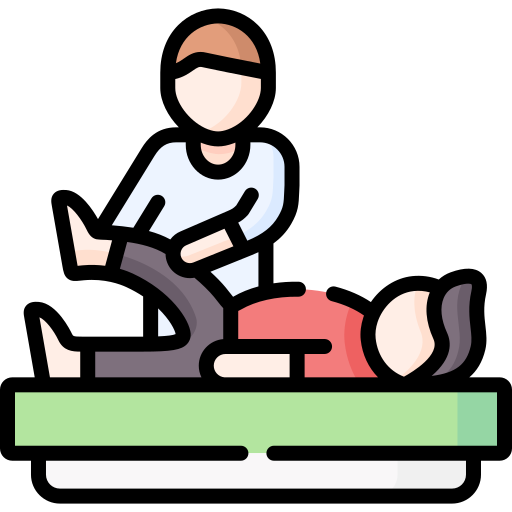
Physiotherapy

Helps patients regain mobility and strength after abdominal surgery

Why Choose Dr. K.K. Verma for Abdominal Trauma in Jabalpur?

If you or someone you know suffers from an accident, fall, or stab injury involving the abdomen, don’t delay. Internal bleeding or organ damage may be hidden but dangerous.

FAQ

Yes, in selected stable patients with minor injuries. But continuous monitoring is essential.

Liver, spleen, intestines, and kidneys are frequently affected depending on the type of trauma.

Low blood pressure, fast heart rate, cold skin, confusion, and abdominal swelling.

Depending on severity, full recovery may take 2–6 weeks, with follow-up care and rehabilitation.

Yes, in stable cases it is very effective and allows faster recovery with fewer complications.

Call Us
× Chat On Whatsapp